Exhibition For Each Section
Nursing Curriculum Evolution
Maternal and Child Health
Services Old Nurses Uniform Surgical Services Old Dental Equipment Intensive Care Services Obstetric Services Central Sterilize Section Medical Equipment Section Radiology Section Hemodialysis Section Laboratory Section Pharmacy Section Public Health Section
Services Old Nurses Uniform Surgical Services Old Dental Equipment Intensive Care Services Obstetric Services Central Sterilize Section Medical Equipment Section Radiology Section Hemodialysis Section Laboratory Section Pharmacy Section Public Health Section
Public Health Section
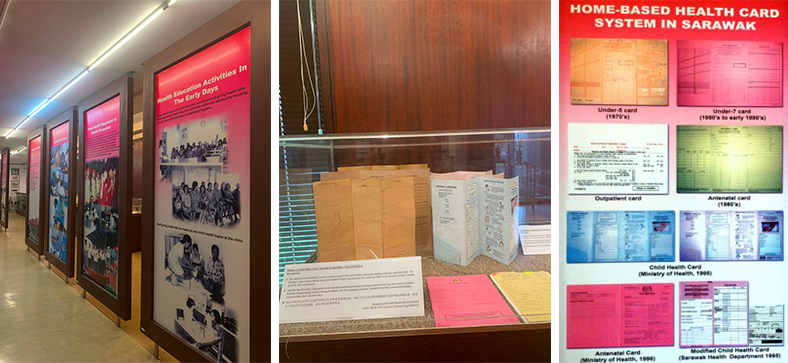
In 1972, the Sarawak Health Department introduced Malaysia's first Home-Based Health Record System, allowing patients to keep their own medical records. The first card introduced was the Under Five Child Health Card, enabling parents to bring their children's immunization, developmental, and medical records to every clinic visit.
Following its success, the system was expanded to include antenatal cards in the 1980s and outpatient cards in 1992. The home-based record system improved continuity of care, reduced the need for hospitals to store large volumes of records, and allowed patients to receive treatment at different clinics.
In recognition of this innovation, the Sarawak Health Department received the Chief Secretary to the Government's Innovation Award in 1992. In 1995 and 1996, the child health and antenatal cards were replaced with national standard cards developed by the Ministry of Health, with the child health card modified to better suit Sarawak's needs.
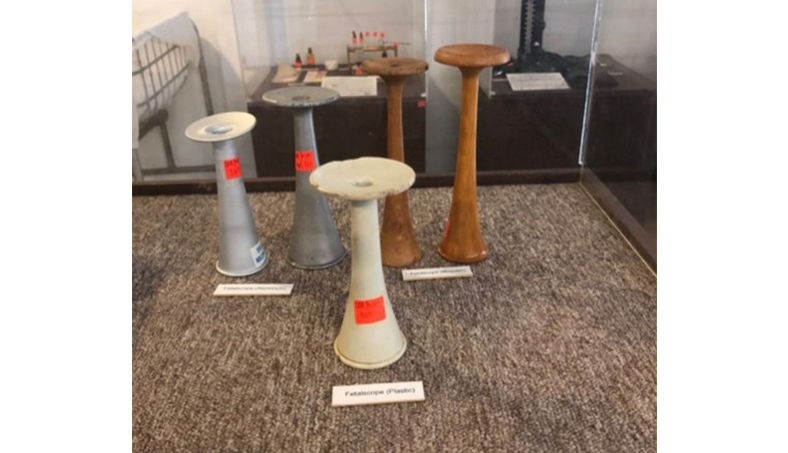
A fetoscope is used to listen to the fetal heart sounds during pregnancy. It helps healthcare providers monitor the fetal heart rate and assess the well-being of the fetus.
Many more pharmacy apparatus and equipment can also be discovered throughout the museum, offering visitors further insight into the evolution of healthcare practices and medical history.
© Copyright 2011 THE LAU KING HOWE HOSPITAL MEMORIAL MUSEUM ASSOCIATION, SIBU. All Rights Reserved.