About Museum

The modern history of Lau King Howe Hospital Memorial Museum :
From a Hospital to a Living Heritage

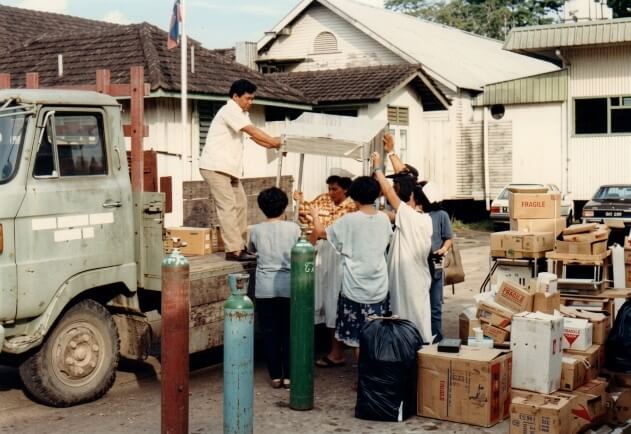

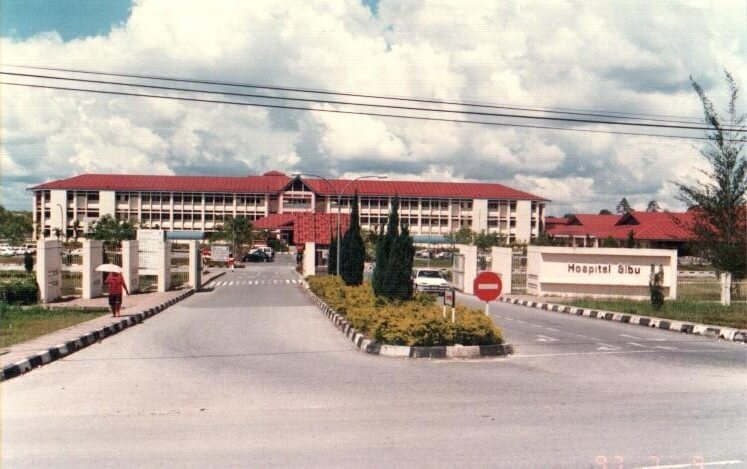
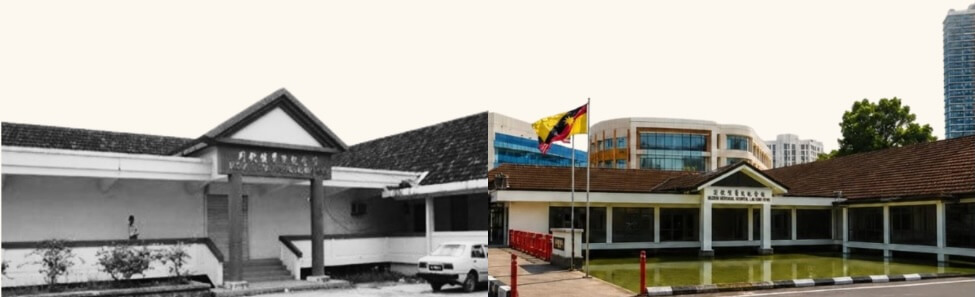
For almost six decades, Lau King Howe Hospital had served the people of Sibu and the Since its official opening in 1936, Lau King Howe Hospital served the people of Sibu and the Central Region of Sarawak for nearly six decades. With the official opening of the new Sibu Hospital on 1 September 1994, Lau King Howe Hospital was converted from a hospital into a clinic. It gradually ceased to function as a major medical institution, eventually ending its medical services in June 2005.
However, the closure of a hospital does not mean that its history disappears. Lau King Howe Hospital served countless patients, trained generations of medical and healthcare professionals, and witnessed the development of Sibu’s society, population, and healthcare system. Therefore, following the closure of the hospital, members of the community began to recognize the importance of preserving this valuable medical heritage, so that future generations could learn about and understand the significant contributions Lau King Howe Hospital made to the people and community of Sibu.
The Establishment of the Memorial Museum


For this purpose, the Lau King Howe Hospital Memorial Museum Organizing Committee, led by its founding chairman, Pemanca Datuk Lau Hieng Ing, was established in 1994, with members representing the following organizations:
1. United Chinese Associations of Sibu
2. Sarawak Federation of Chinese Cultural Associations
3. Sibu Chinese Chamber of Commerce
4. Malaysian Medical Association, Sibu Branch
5. Sibu Hotel and Tourism Association
One of the most important responsibilities of the Lau King Howe Hospital Memorial Museum Organizing Committee was to seek the necessary approval and support from the relevant government authorities, particularly the health authorities, for the establishment of the Lau King Howe Hospital Memorial Museum.
Eventually, the Sarawak Health Department approved the proposal to establish the museum and agreed to have the Lau King Howe Hospital Outpatient/Specialist Clinic Building suitably renovated and adapted to serve as the premises of the Lau King Howe Hospital Memorial Museum.
After the museum site was confirmed, the Organizing Committee appointed Architect Teng Mee Huong to undertake the design and layout of the Lau King Howe Hospital Memorial Museum. The total cost of the renovation and refurbishment works amounted to RM450,000 (approximately USD132,000), which was raised through public donations.
The Lau King Howe Hospital Memorial Museum Organizing Committee expressed its appreciation to Dr. R. Meganathan and the Sibu Health Department for undertaking the responsibility of preserving the hospital’s historical artefacts and for assisting with the initial administration and management of the Lau King Howe Hospital Memorial Museum.
In May 1996, the construction, renovation, and refurbishment works of the Lau King Howe Hospital Memorial Museum were officially completed.
Following the end of Lau King Howe Hospital’s medical services, members of the community began efforts to preserve the hospital’s history, heritage, and cultural legacy.


The establishment of the Lau King Howe Hospital Memorial Museum marked the transformation of Lau King Howe Hospital from a functioning healthcare institution into an institution dedicated to preserving medical history, collective memories, and cultural heritage.
The Lau King Howe Hospital Memorial Museum not only preserves the historical records and artefacts of the hospital, but also safeguards the shared memories of the many people who once worked, received medical treatment, were born, and lived within its walls.
Preserving the Hospital’s Heritage
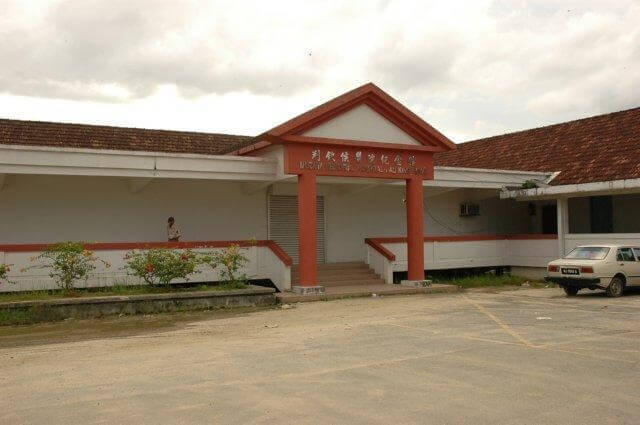


A New Challenge in 2005
The development of the Lau King Howe Hospital Memorial Museum also faced significant challenges. The disappearance of the original hospital buildings marked a major turning point in the history of Lau King Howe Hospital. However, although the physical buildings no longer exist, the history and legacy left behind by the hospital must not disappear with them.


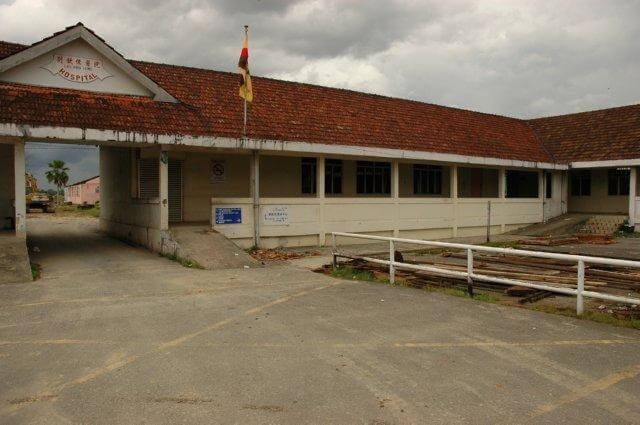

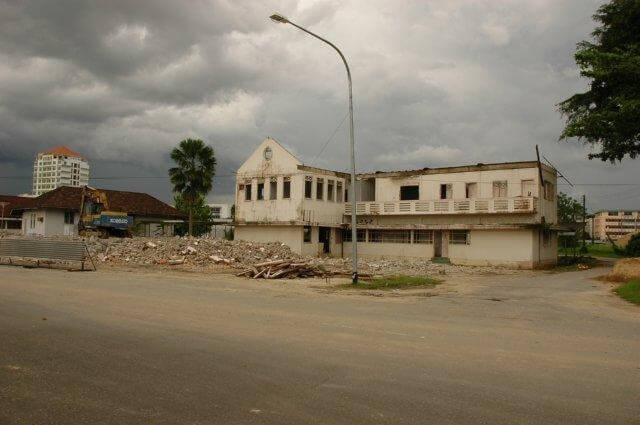
The Lau King Howe Hospital Memorial Museum has therefore become an important place for preserving the collective memory and historical legacy of Lau King Howe Hospital.
4 December 2008: Reopening and the Beginning of a New Chapter
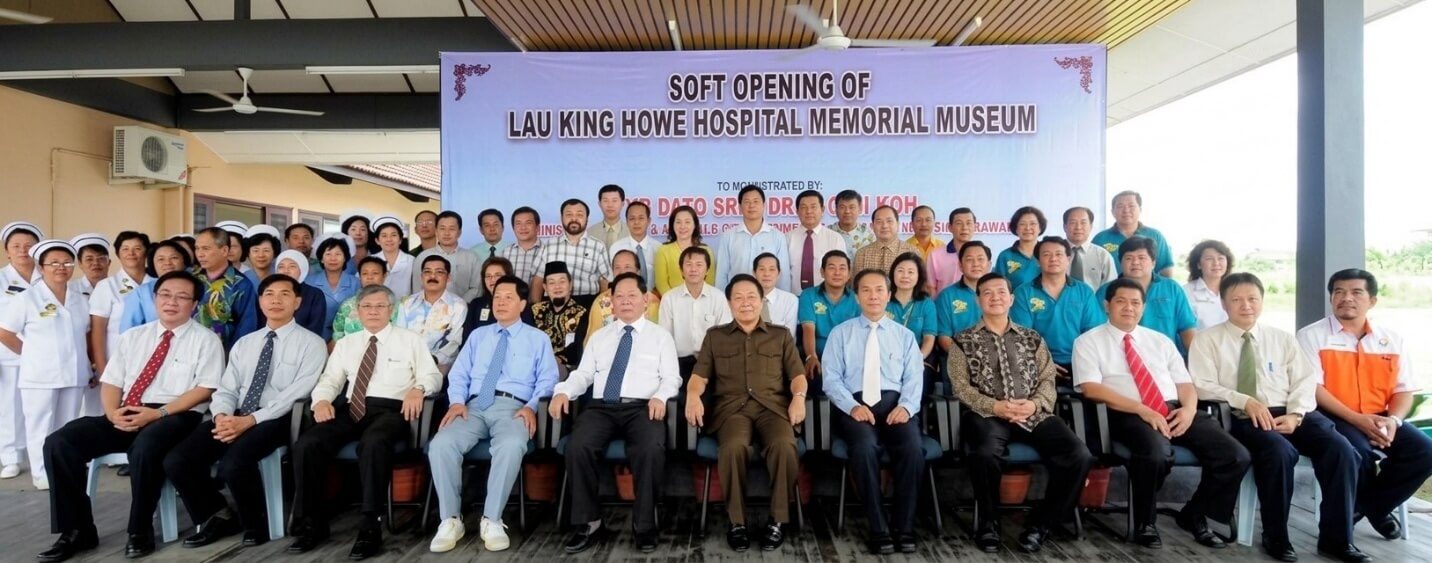
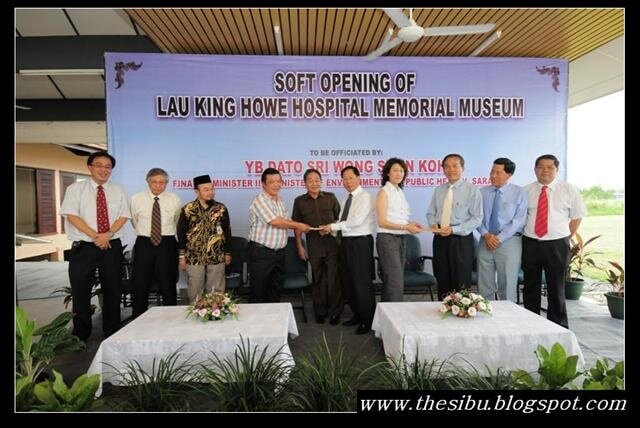

No longer simply a place preserving the memory of an old hospital, the museum began developing its role as an educational and heritage institution.
The museum sought to introduce younger generations to the history of healthcare in Sibu while also providing former patients, staff and members of the public with a place to reconnect with their memories.
Strengthening Heritage Cooperation

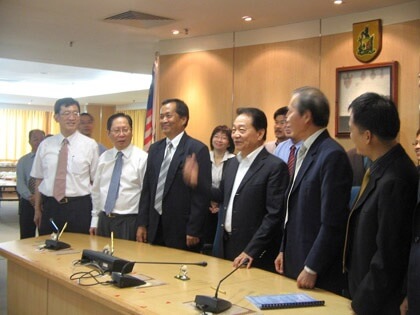

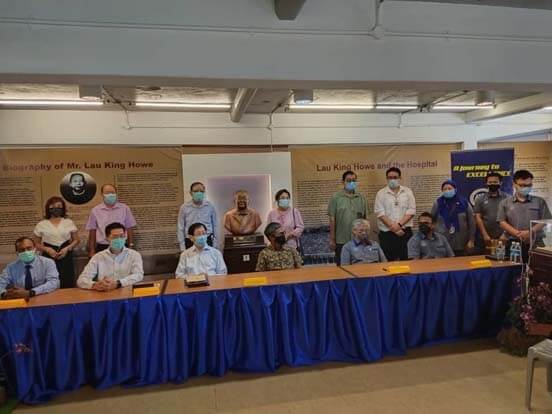


The Memorial Museum gradually became part of Sibu’s wider cultural and historical landscape.
The “Babies of Lau King Howe Hospital” Project


The project aims to identify and document individuals who were born at Lau King Howe Hospital, allowing them to reconnect with the hospital that once witnessed the beginning of their lives.
Behind every birth record lies a family story.
When countless family stories come together, they form a shared history spanning generations of people from Sibu and the surrounding areas.
Therefore, what the “Lau King Howe Hospital Babies” Project preserves is not merely a collection of birth records, but the living memories and life stories of generations of people.
From Medical Museum to Community Heritage Centre
Over the years, the role of the Memorial Museum has continued to evolve. It has become a place for historical exhibitions, educational visits, community activities, heritage programs and public engagement.
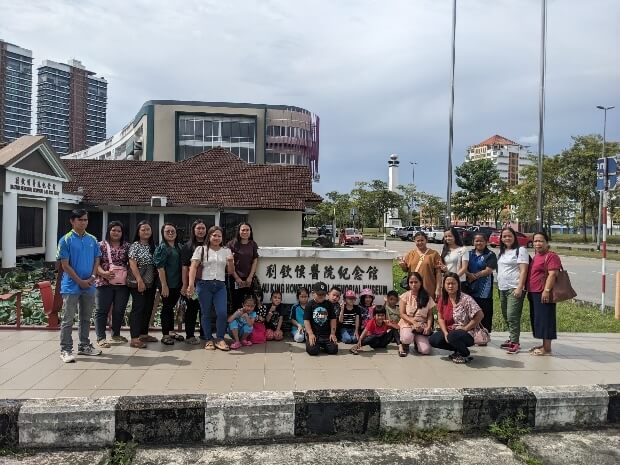
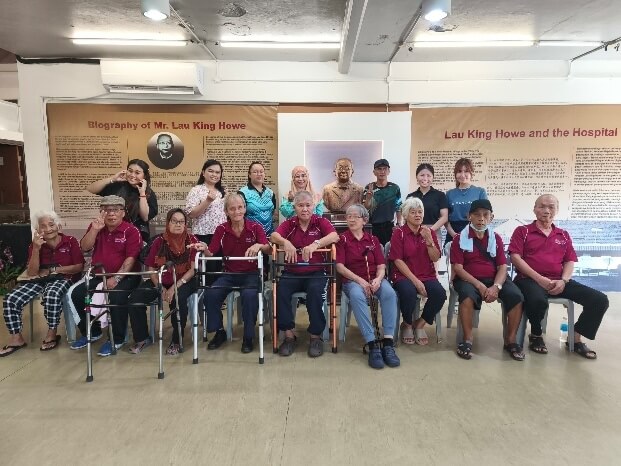
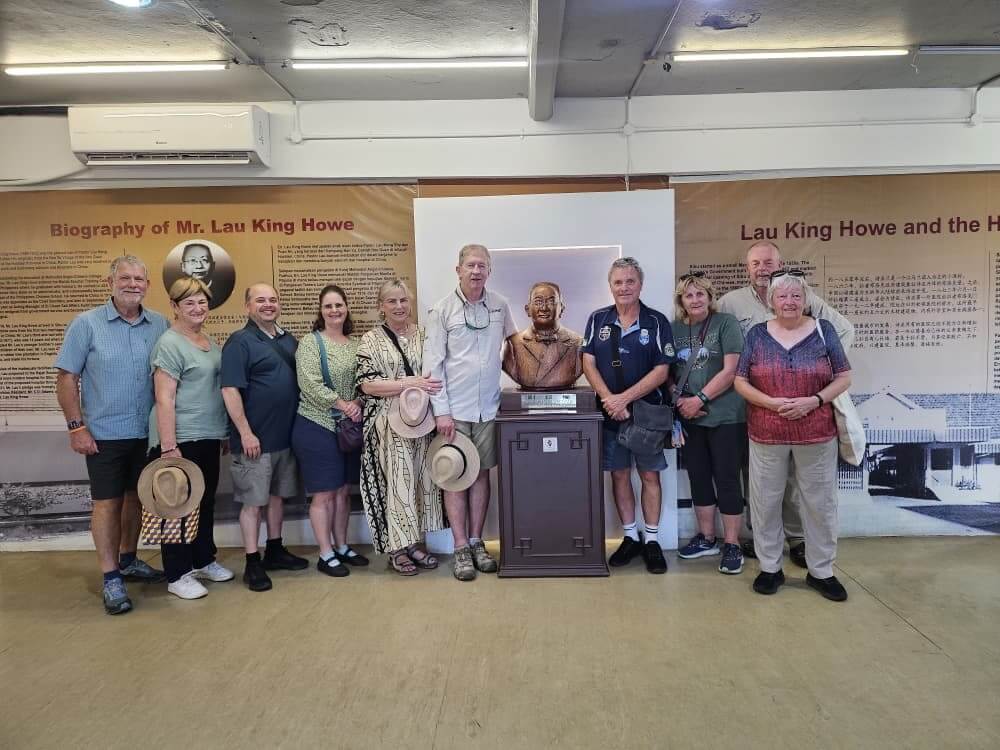
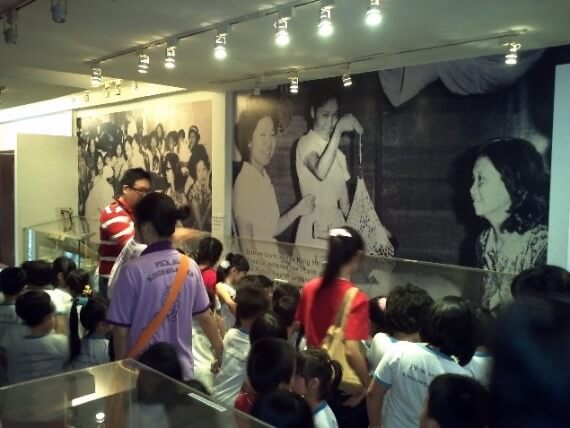

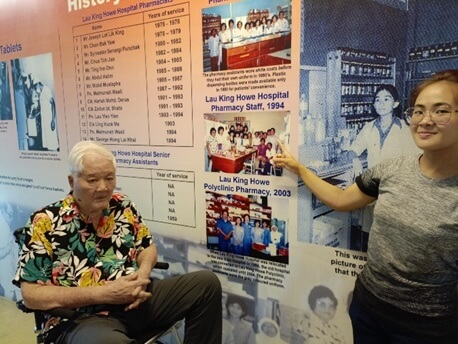

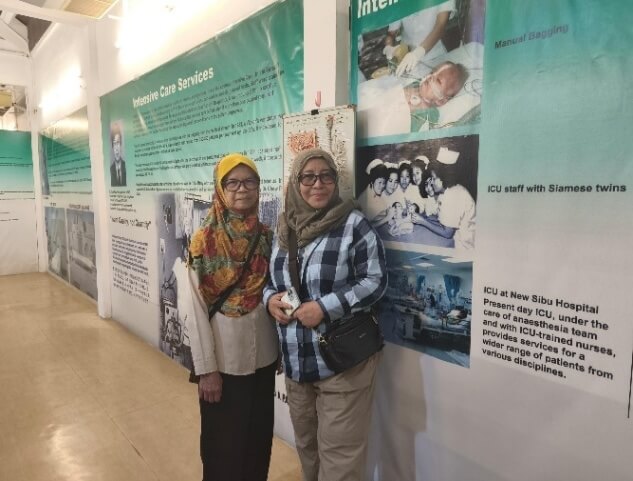
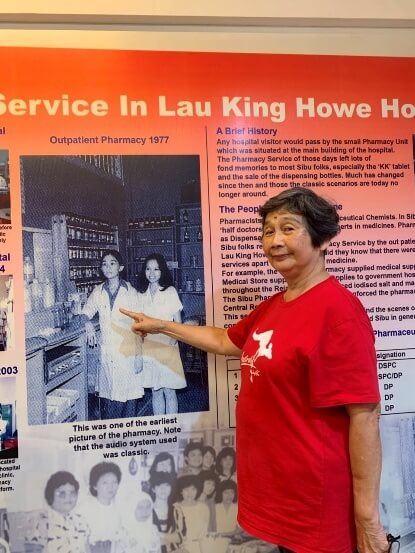

In this way, the Memorial Museum serves as a bridge between the past and the present.
What We Preserve Is Not Just Artefacts, but the Stories of People
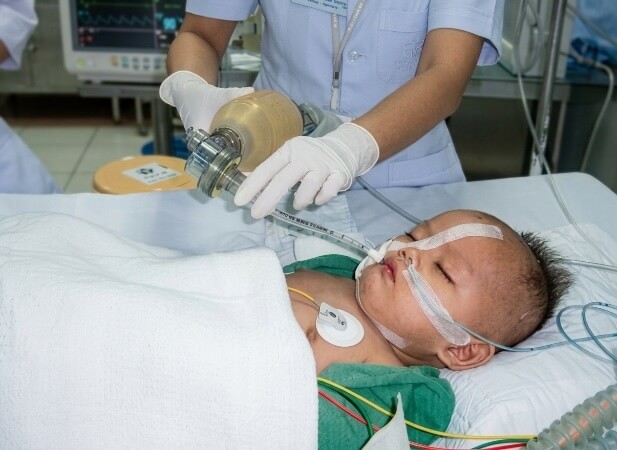
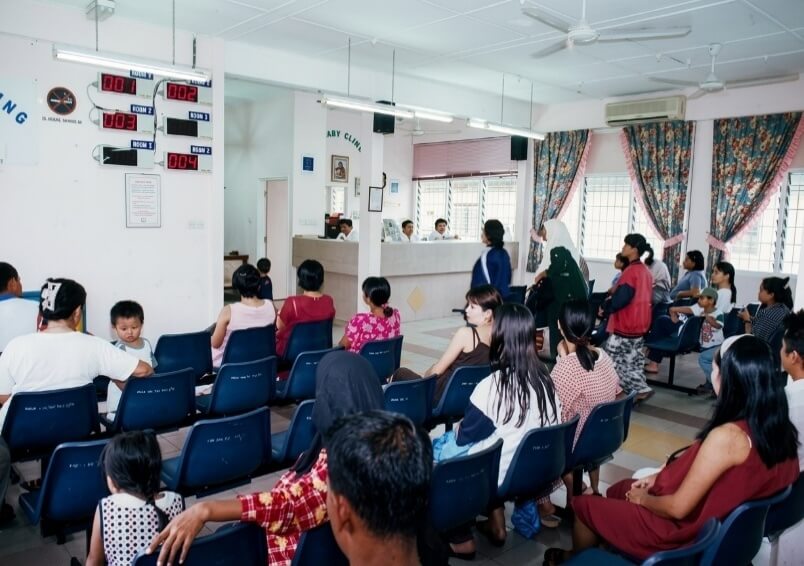
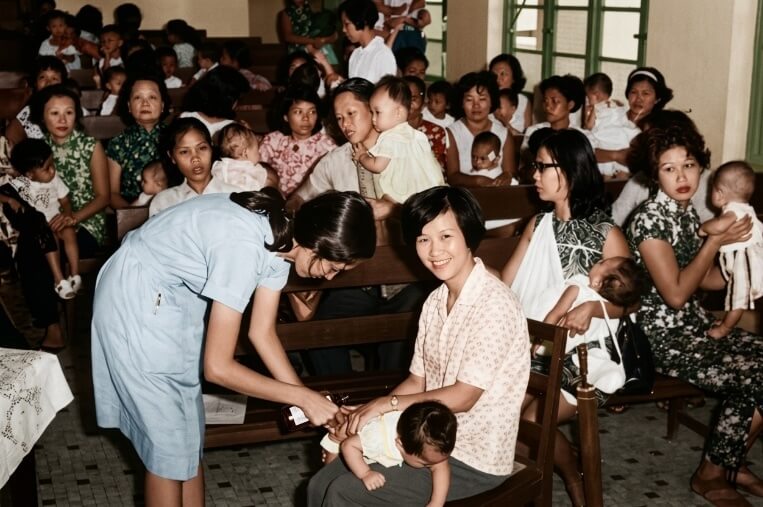
What the Lau King Howe Hospital Memorial Museum preserves most dearly is not merely the medical equipment displayed in its showcases.
The true history of the hospital is embodied in the people who once lived, worked, and received treatment here.
They include:




The Spirit of Lau King Howe
The core value of the Lau King Howe Hospital Memorial Museum lies not merely in preserving the history of a hospital, but in safeguarding the shared memories and historical legacy of the people of Sibu and the Central Region of Sarawak. More importantly, it is about carrying forward the “Spirit of Lau King Howe”, a spirit of compassion, service, dedication, and commitment to the community.

Therefore, his true legacy is not merely a hospital bearing his name, but a spirit of care, dedication, charity, compassion, and service to the community.
This spirit was deeply embedded throughout the nearly six decades of history of Lau King Howe Hospital.
Generation after generation of doctors, nurses, healthcare professionals, and hospital staff served patients in their respective roles, cared for the vulnerable, and contributed to the well-being of the Sibu community.
This is the “Spirit of Lau King Howe” that the museum hopes to preserve and pass on to future generations.
Looking to the Future
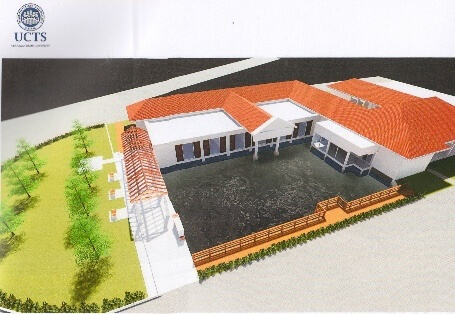
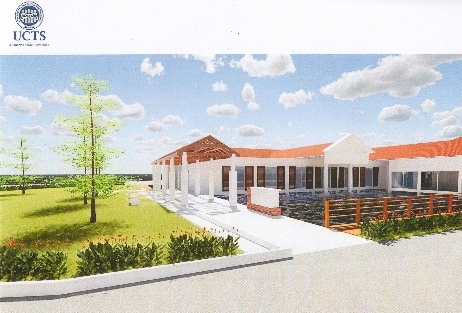

With the advancement of technology, the Museum will continue to explore new ways to preserve and share history, including the digitization of historical records, preservation of oral histories, enhancement of exhibitions, and engaging more young people in learning about the history of Lau King Howe Hospital.
Although the historic buildings of Lau King Howe Hospital no longer exist, the stories, spirit, and memories they left behind continue to live on.
The responsibility of the Lau King Howe Hospital Memorial Museum is to ensure that this history continues to be seen, understood, cherished, and passed on to future generations.
The doors of the hospital have closed,
but the doors of history will never close.
Lau King Howe Hospital Memorial Museum
Preserving History · Carrying Forward the Spirit · Connecting Communities · Inspiring the Future
30 Years of the Lau King Howe Hospital Memorial Museum
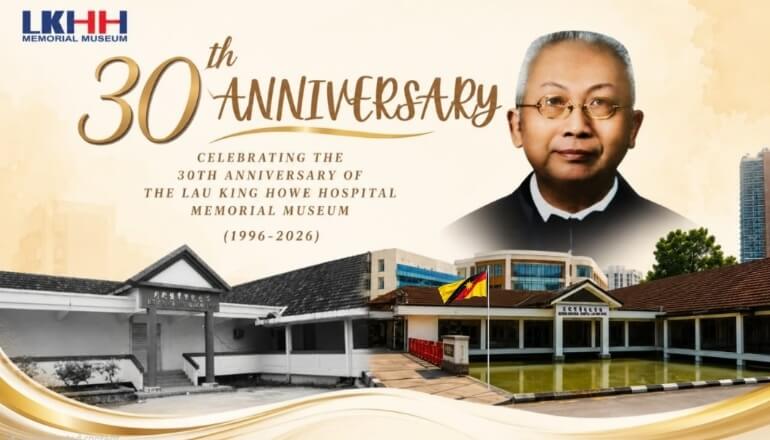
Since its establishment in 1996, the Museum has carried the important mission of preserving the medical history and heritage of Sibu for the past three decades.
The 30th anniversary is not merely a milestone to be celebrated.
It is an opportunity to look back on the Museum’s journey and development over the past 30 years;
to pay tribute to the generations of doctors, nurses, healthcare professionals, and hospital staff who served at Lau King Howe Hospital;
to remember the countless people who once received treatment, were born, and lived at the hospital;
and to express our gratitude to all members of the community, institutions, and organizations that have supported the development of the Museum.
More importantly, the 30th anniversary marks a new beginning.